
Moving Away? The past and future of student accommodation
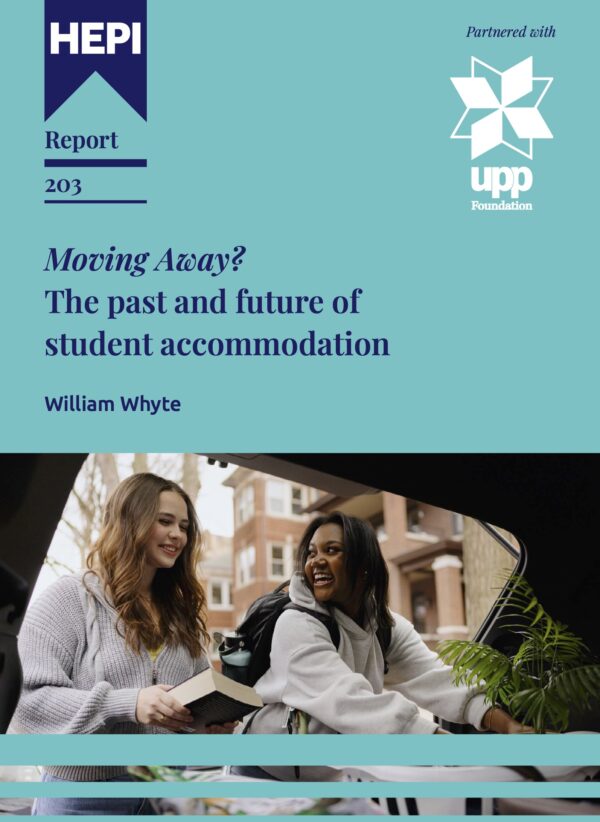
As universities rethink how students study, a major new report from HEPI and the UPP Foundation argues that on-campus residential university life remains an essential part of the student experience.
On-campus residential university life remains one of the defining features of UK higher education and continues to play a vital role in helping students develop the confidence, independence and sense of belonging that underpin academic success, according to a major new report from the Higher Education Policy Institute (www.hepi.ac.uk), commissioned by the UPP Foundation.
Written by Professor William Whyte of the University of Oxford, Moving Away? The Past and Future of Student Accommodation (Report Number 203) argues that the value of on-campus student residential life extends far beyond accommodation itself, playing an important role in personal development, participation and the wider university experience.
The report is published at a time when demand for higher education continues to grow. UCAS figures released earlier this year showed applications from UK 18-year-olds increased by 4.8% to 338,940, while total applicants rose to 619,360, underlining the continued appeal of UK higher education.
Drawing on historical analysis, contemporary evidence and student perspectives, Professor Whyte argues that discussions about student accommodation have become overly focused on buildings and beds, when the more important question is the contribution on-campus residential environments make to student development, belonging and long-term success.
While higher education continues to evolve, the report concludes that residential living remains one of the most distinctive aspects of the UK university experience. It suggests that the value of residence lies not simply in providing accommodation, but in helping students build friendships, develop independence and become active members of their university communities.
The report is brought to life through first-hand student perspectives, from an international student adapting to life in a new country to friendships formed through UPP’s leading Home at Halls residential life programme that continue today. Together, these experiences illustrate how residential living can help students develop confidence, independence and a lasting sense of belonging.
Commenting on the report, Professor William Whyte said:
The question isn’t simply where students live. It’s what they gain from living and learning together as part of a university community. Currently, we have no real policy on accommodation for the overwhelming majority of students who want to leave home for study. It’s time for a serious debate about the role accommodation plays in the university – and how we will pay for it.
Nick Hillman, Director of HEPI, said:
Student residence is often discussed in terms of accommodation provision, but Professor Whyte’s report demonstrates that it is also closely connected to belonging, participation and the wider student experience. As demand for higher education continues to grow, it is important to understand not only who goes to higher education, but also how they experience it once they arrive. This report makes a compelling case that residence is about much more than where students live.
Lucy Haire, Director of Sector Engagement at UPP, said:
On-campus residential university life plays a pivotal role in the higher education experience. For many students, it provides their first experience of independent living and the opportunity to develop skills that cannot be learned in a lecture theatre. The student stories featured in this report show exactly what that looks like in practice.
Managing a budget, living with people from different backgrounds, building friendships, resolving disagreements and taking responsibility for everyday decisions are all important parts of personal development.
This report reminds us that residence is about far more than where students live. It is about belonging, independence and the experiences that help shape confidence and resilience long after graduation.
Notes to Editors
About the report
Moving Away? The Past and Future of Student Accommodation was commissioned by the UPP Foundation and is published by the Higher Education Policy Institute (HEPI).
The report is written by Professor William Whyte, Professor of Social and Architectural History at the University of Oxford.
This report forms part of the UPP Foundation’s commitment to supporting independent research and informed debate on the future of higher education.
About the UPP Foundation
The UPP Foundation is an independent registered charity established in 2016 by UPP, the UK’s leading provider of on-campus student accommodation infrastructure. Through grant funding, research and evidence-led debate, the Foundation works to improve opportunity, access and outcomes across higher education.
The Foundation supports universities, charities and sector organisations through grants that increase access to higher education, improve student success and employability, strengthen civic universities and help develop global citizens. It also provides a public policy platform that brings together higher education leaders, policymakers and experts to explore the future of the sector, share best practice and inform debate on the issues shaping higher education today.
The UPP Foundation is solely funded by UPP and governed independently by a Board of Trustees.
For more information visit: https://upp-foundation.org/ and https://upp-ltd.com
About HEPI
HEPI was established in 2002 to influence the higher education debate with evidence. We are UK-wide, independent and non-partisan. We are funded by organisations and higher education institutions that wish to support vibrant policy discussions, as well as through our own events. HEPI is a company limited by guarantee and a registered charity.
Source
UCAS Undergraduate Application Data – January 2026 Equal Consideration Deadline
- Total applicants: 619,360 (+3.1%)
- UK 18-year-old applicants: 338,940 (+4.8%)




Comments
James says:
Report written in partnership with UPP, a company which makes £266 million per year from student accommodation. Who profits from students; charging higher and higher rents. Nick Hillman HEPI Director argues ‘This report makes a compelling case that residence is about much more than where students live.’ Come on, you can do better.
Reply
Add comment